
Elevate Your Space: The Art of Concealed Doors

Updated: Nov 15, 2025
Why Conceal Doors?
Standard doors often interrupt a feature wall’s rhythm, breaking the design’s cohesiveness and distracting from the room’s centerpiece. Concealed doors, however, allow architects and designers to maintain a monolithic surface where walls become functional art.
Flush Paneling with Invisible Hinges
One of the most elegant solutions is to use flush wall paneling that extends over the door. With the right hardware—such as invisible or pivot hinges—and precise installation, the door blends perfectly with the panel, creating an almost camouflaged effect. This technique works beautifully with wood veneers, MDF panels, or lacquer finishes.
Matching the door’s finish exactly to the feature wall’s material—whether it’s wood grain, stone, or textured plaster—creates an optical illusion of a solid surface.

Artistic or Decorative Panel Doors
Why not turn the door itself into a design statement? Concealment doesn’t always mean invisibility. Incorporate doors into custom wall art, murals, or geometric paneling that extends over the door. When done well, the door becomes a sculptural element—part artwork, part utility.
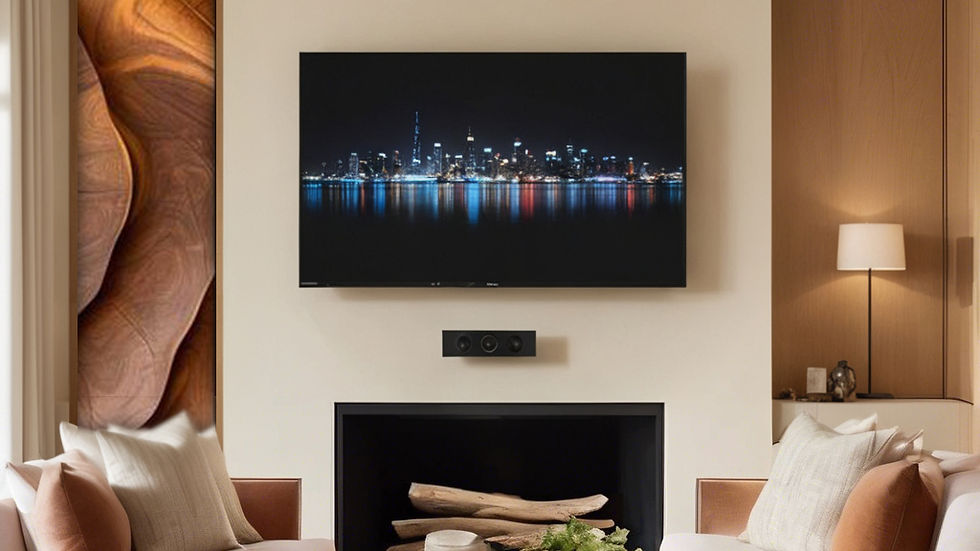
Bookcase Doors
When function meets intrigue, design becomes unforgettable. The bookcase door is the ultimate architectural sleight of hand — a fully functional door hidden in plain sight as part of your feature wall. Rather than breaking the symmetry of a beautifully styled wall, this design embraces concealment. A full-height bookshelf, adorned with carefully curated books and accents, swings open effortlessly to reveal a passage — be it a private study, powder room, or hidden storage.
With pivot or invisible hinges, the door maintains its structural elegance while staying discreet. Whether done in warm wood veneers, lacquered MDF, or even matte black shelving with brass-lined edges, this element becomes both a visual anchor and a conversation starter.
This isn’t just about hiding a door — it’s about elevating it into art.

Mirror Doors
The mirror wall door is a masterclass in modern spatial illusion — where functionality, minimalism, and luxury blend into one seamless surface. Instead of a traditional door frame breaking your living room’s flow, imagine an entire mirrored wall reflecting light, enhancing depth, and hiding a perfectly flush pivot door within.
Ideal for tight spaces or rooms where you want the design to take center stage, this concept amplifies light and scale — turning a necessity into a sleek feature.
Whether using beveled mirror panels, smoked grey glass, or even antiqued bronze mirrors, the result is nothing short of transformative. Add concealed hinges and a magnetic latch, and the doorway melts away, leaving behind only style.

The Tile or Stone-Clad Door
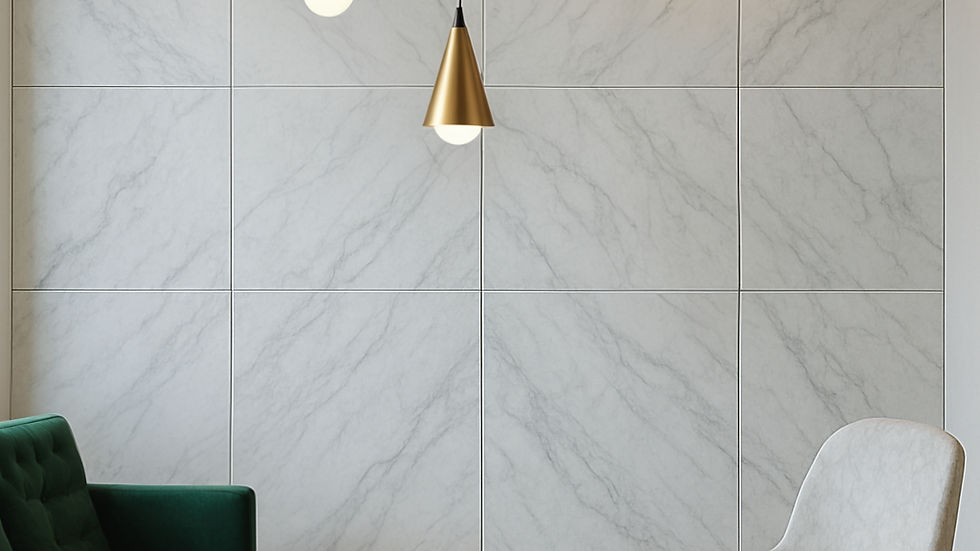
A tile or stone-clad hidden door merges quiet opulence with pure geometry — disappearing into the rhythm of natural textures. Whether it’s a soft-veined marble wall, tactile terrazzo, or matte porcelain slabs, this technique lets your feature wall extend without interruption while discreetly concealing an entry point.
The key? Precision. Every tile joint, every grout line, and every slab alignment is measured to perfection. Hidden hinges and touch-latch hardware ensure the door operates like magic, keeping the aesthetic minimal and monolithic.
Conclusion
Integrating concealed doors into your living room design is an innovative approach to enhance aesthetic appeal and functionality. By implementing techniques such as flush paneling, decorative panels, bookcase doors, mirror walls, and tile-clad surfaces, you can transform ordinary spaces into extraordinary environments.
This design choice not only hides your doors but also elevates them into art forms that complement your overall interior design. Whether you are renovating or building a new space, keep in mind that well-concealed doors can truly redefine what is possible in modern living room design.
Embrace this exciting trend and witness how integrating doors seamlessly into feature walls can create a polished and sophisticated living area that leaves a lasting impression.
For more inspiration on functionality in design, check out this comprehensive guide.

Comments